
Spoken English for Kids: A Complete Guide to Helping Children Speak English Confidently
In today’s world, English is one of the most important languages for communication, education, and future career opportunities. That is why many parents look for effective ways to improve spoken English for kids from an early age. Strong speaking skills help children express their ideas clearly, participate confidently in school, and communicate comfortably with people from different backgrounds.
Learning spoken English for kids is not about memorizing difficult words or speaking perfectly from the beginning. It is about developing confidence, improving pronunciation, expanding vocabulary, and practicing everyday conversations in a fun and natural way. When children enjoy the learning process, they become more willing to speak English without fear of making mistakes.
Parents and teachers play a significant role in building spoken English for kids by creating opportunities for regular practice, meaningful conversations, and interactive learning experiences.
Why Spoken English for Kids Is Important
Developing spoken English for kids at an early age provides lifelong benefits. Children who communicate confidently in English often perform better in school because they understand classroom instructions, participate actively in discussions, and express their thoughts clearly.
Strong spoken English skills also improve reading, writing, and listening abilities. As children learn new words and sentence structures through conversation, they naturally strengthen their overall language development.
Learning spoken English for kids also prepares children for future academic opportunities, competitive exams, interviews, and global communication. Since English is widely used around the world, confident speaking skills become a valuable advantage throughout life.

How Spoken English for Kids Improves Communication Skills
One of the biggest advantages of spoken English for kids is improved communication. Speaking English regularly teaches children how to organize their thoughts, form complete sentences, and express ideas clearly.
Children who practice speaking every day become more comfortable asking questions, answering confidently, and participating in classroom activities. Regular conversations also improve pronunciation, fluency, grammar, and sentence formation.
As communication skills improve, children become more confident in making friends, participating in group activities, and expressing their opinions respectfully.

Spoken English for Kids Through Daily Conversations
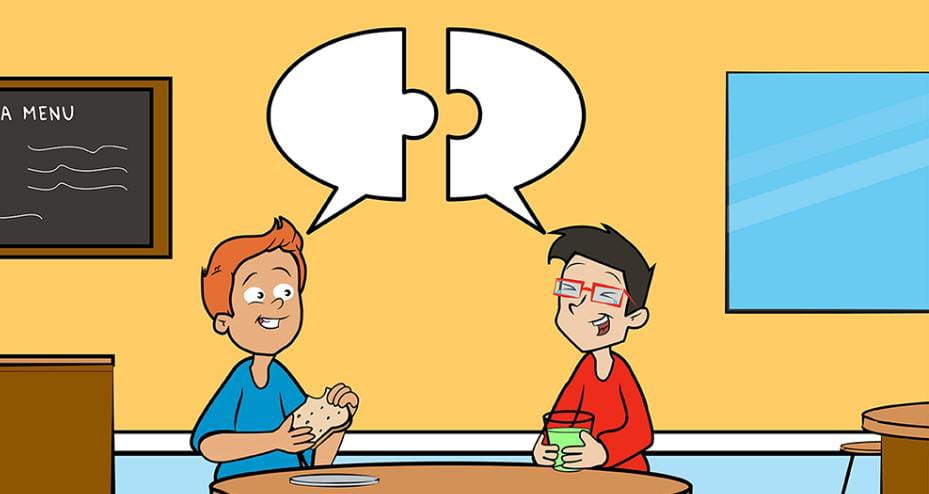
Daily conversation is one of the simplest ways to develop spoken English for kids. Parents do not need long study sessions or complicated lessons. Small conversations throughout the day can significantly improve speaking skills.
Simple questions like “How was your day?”, “What did you learn today?”, or “What is your favorite game?” encourage children to think and respond in English. Over time, these conversations become longer and more natural.
Parents can also describe everyday activities in English while cooking, shopping, traveling, or playing. Hearing and using English in real-life situations helps children remember new words and phrases more effectively.
Regular conversation creates a comfortable learning environment where children feel encouraged to practice without fear of making mistakes.
Spoken English for Kids Through Reading and Storytelling
Reading books aloud is another excellent strategy for improving spoken English for kids. Storybooks introduce children to new vocabulary, correct pronunciation, and natural sentence structures.
Parents can encourage children to read simple stories aloud and then explain the story in their own words. This activity improves speaking confidence, vocabulary development, and comprehension simultaneously.
Storytelling is equally valuable. Asking children to describe pictures, create their own stories, or retell a favorite fairy tale strengthens imagination while improving spoken English.
These activities make language learning enjoyable and help children communicate more fluently.

Spoken English for Kids Through Educational Games
Children learn best when learning feels like play. Educational games are highly effective for developing spoken English for kids because they encourage active participation and communication.
Word guessing games, role-playing activities, storytelling challenges, vocabulary games, and conversation cards motivate children to speak naturally while expanding their vocabulary.
Pretending to be a teacher, doctor, shopkeeper, or news reporter allows children to practice real-life conversations in an enjoyable environment. These interactive activities improve pronunciation, fluency, listening skills, and confidence.
Educational games also reduce the fear of speaking because children focus on having fun rather than worrying about mistakes.

Spoken English for Kids Through Vocabulary Building
A strong vocabulary is essential for successful spoken English for kids. Children cannot express themselves confidently if they know only a limited number of words.
Introducing a few new words each day helps children gradually expand their vocabulary. Parents should explain meanings, provide examples, and encourage children to use new words in everyday conversations.
Reading books, listening to stories, and watching age-appropriate educational videos also introduce useful vocabulary naturally.
When children regularly use new words while speaking, those words become a permanent part of their language skills.

Spoken English for Kids Through Confidence Building
Confidence is one of the most important factors in learning spoken English for kids. Many children know English words but hesitate to speak because they fear making mistakes.
Parents and teachers should create a supportive environment where mistakes are accepted as part of learning. Instead of correcting every small error immediately, encourage children to continue speaking and gently guide them toward the correct pronunciation or grammar.
Celebrating effort rather than perfection motivates children to practice more often. As they gain experience through regular conversations, their confidence naturally grows.
Confident children speak more frequently, which further improves their fluency and communication skills.

Conclusion
Learning spoken English for kids is a valuable investment in a child’s future. Strong speaking skills improve communication, confidence, academic performance, and social interaction while preparing children for future educational and career opportunities.
Through daily conversations, storytelling, vocabulary-building activities, educational games, and consistent speaking practice, children gradually develop fluency and confidence in English. The goal is not to speak perfect English immediately but to communicate clearly, comfortably, and confidently.
When parents and teachers encourage regular practice in a positive environment, spoken English for kids becomes an enjoyable journey rather than a difficult task. With patience, encouragement, and the right learning methods, every child can develop excellent English communication skills that will benefit them throughout life.