
Effective Study Habits for Young Children: A Complete Guide to Building Lifelong Learning Skills
Every parent wants their child to enjoy learning and perform well in school. One of the best ways to achieve this is by developing effective study habits for young children from an early age. Good study habits do not only help children score better marks but also improve concentration, time management, confidence, and problem-solving skills. When children learn how to study effectively, they become independent learners who enjoy discovering new things every day.
Understanding effective study habits for young children is not about making children study for long hours. Instead, it focuses on creating a positive learning routine, encouraging curiosity, and helping children develop consistent habits that support both academic success and personal growth. Parents and teachers play a vital role in guiding children toward healthy study routines that make learning enjoyable rather than stressful.
By following the right strategies, children can build a strong educational foundation that benefits them throughout their school life and beyond.
Why Effective Study Habits for Young Children Are ImportantAdd Your Heading Text Here
Developing effective study habits for young children is essential because learning is a gradual process. Children who study regularly understand concepts better than those who rely only on last-minute preparation. Good study habits help children organize their learning, complete homework on time, and remember information more effectively.
Strong study routines also improve concentration and discipline. Instead of becoming distracted easily, children learn to focus on one task at a time. This improves classroom performance and builds confidence when facing tests and assignments.
Another advantage of effective study habits for young children is that they reduce study-related stress. When children follow a regular routine, learning becomes a natural part of their day instead of feeling like a burden.

How Effective Study Habits for Young Children Build Strong Learning Skills
One of the greatest benefits of effective study habits for young children is that they help children develop essential learning skills. Regular reading, writing, practicing mathematics, and reviewing lessons improve memory and understanding over time.
Children who follow consistent study routines also become better at managing their time. They learn how to balance schoolwork, playtime, hobbies, and family activities without feeling overwhelmed.
Good study habits encourage independent thinking as well. Instead of waiting for constant guidance, children begin solving simple problems on their own, ask thoughtful questions, and develop curiosity about new topics.
These habits prepare children for future academic challenges while helping them become responsible learners.

Creating a Daily Routine with Effective Study Habits for Young Children
A structured daily routine is one of the most important parts of effective study habits for young children. Children feel more comfortable when they know exactly when it is time to study, play, eat, and rest.
Studying at the same time every day helps build consistency. Short study sessions are usually more productive than long hours of continuous learning because young children have shorter attention spans.
Parents should also provide a quiet, organized, and comfortable study space free from unnecessary distractions. A clean learning environment improves concentration and helps children focus on their tasks.
Regular routines teach responsibility while making learning a natural part of everyday life.

Effective Study Habits for Young Children Through Active Learning
Active learning is another important aspect of effective study habits for young children. Instead of simply reading textbooks, children learn more effectively when they participate actively in the learning process.
Discussing lessons, asking questions, solving worksheets, reading stories aloud, practicing spelling, and completing educational activities help children understand concepts more deeply.
Hands-on learning experiences also make education enjoyable. Educational games, puzzles, flashcards, drawing activities, and practical experiments encourage children to think creatively while strengthening academic skills.
Active participation keeps children motivated and improves long-term memory.
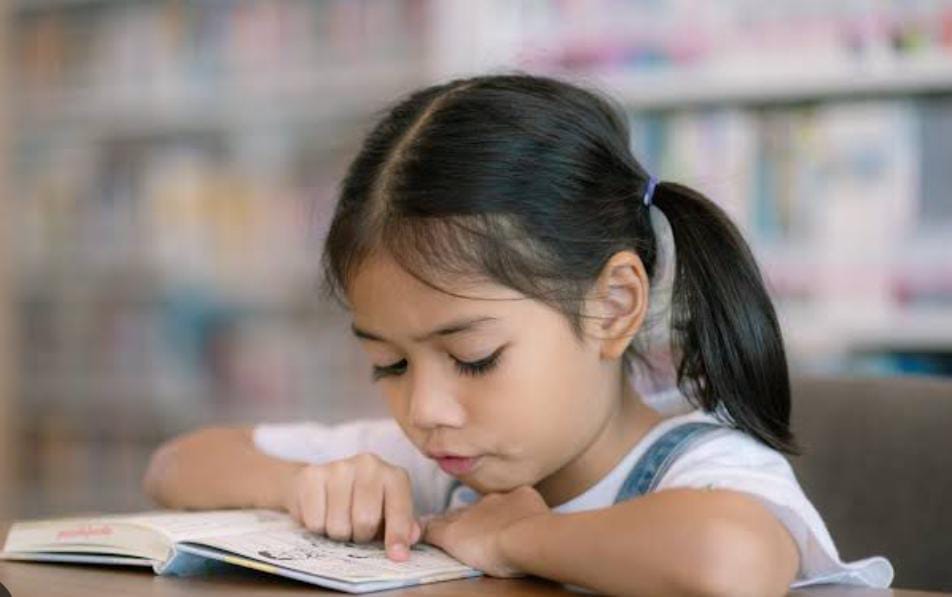
How Reading Supports Effective Study Habits for Young Children
Reading plays a major role in developing effective study habits for young children. Daily reading improves vocabulary, comprehension, pronunciation, imagination, and communication skills.
Children who enjoy reading often become better learners because they develop curiosity about different subjects. Storybooks, educational books, science books, and picture books expose children to new ideas while improving language development.
Reading together with parents also strengthens family bonding and creates positive learning experiences. Discussing stories helps children improve critical thinking while expanding their knowledge.
Making reading a daily habit supports overall academic growth and strengthens study routines.
Effective Study Habits for Young Children Through Positive Encouragement
Encouragement is an essential part of building effective study habits for young children. Children feel motivated when parents appreciate their effort rather than focusing only on results.
Celebrating small achievements builds confidence and encourages children to continue learning. Positive feedback helps children develop a growth mindset where mistakes are viewed as opportunities to improve rather than failures.
Parents should avoid comparing children with others because every child learns at a different pace. Instead, focus on individual progress and celebrate consistent improvement.
A supportive learning environment makes studying enjoyable and reduces anxiety related to school performance.

Common Mistakes That Affect Effective Study Habits for Young Children
While developing effective study habits for young children, parents should avoid several common mistakes. Expecting children to study for long periods often leads to frustration and loss of interest.
Overloading children with too many activities can also reduce learning effectiveness. Young learners need sufficient time for play, creativity, physical activity, and rest because these experiences contribute to healthy brain development.
Using fear or punishment as motivation may negatively affect confidence and reduce children’s willingness to learn. Positive encouragement always produces better long-term results.
Parents should also avoid relying entirely on memorization. Children understand concepts much better when they explore, discuss, and apply their knowledge in practical situations.
Conclusion
Developing effective study habits for young children is one of the greatest investments parents can make in their child’s future. Good study habits improve concentration, confidence, organization, time management, and academic performance while helping children become independent learners.
Through regular study routines, active learning, daily reading, positive encouragement, and consistent parental support, children can develop lifelong learning skills that extend far beyond the classroom. The goal is not simply to achieve higher grades but to help children enjoy learning, think independently, and build confidence in their abilities.
When families focus on effective study habits for young children, they create an environment where curiosity, discipline, and a love for learning grow naturally. These habits prepare children not only for school success but also for future opportunities, making education an enjoyable and rewarding journey.