
Lorem ipsum dolor sit amet, consectetur adipiscing elit. Ut elit tellus, luctus nec ullamcorper mattis, pulvinar dapibus leo.
How to Improve Vocabulary for Kids: A Complete Guide to Building Strong Language Skills
A rich vocabulary is one of the greatest gifts parents and teachers can give a child. Knowing how to improve vocabulary for kids helps children communicate clearly, understand lessons better, and become confident readers and writers. Vocabulary is not just about learning difficult words; it is about understanding their meanings and using them correctly in everyday conversations and schoolwork.
Many parents wonder how to improve vocabulary for kids because they want their children to perform well in school while developing strong communication skills. The good news is that vocabulary building can be enjoyable when children learn through stories, games, conversations, and creative activities. With regular practice and encouragement, every child can improve their language skills and develop a lifelong love for learning.
Understanding how to improve vocabulary for kids also supports academic success because language skills play an important role in reading comprehension, writing, speaking, and listening.

Why Learning How to Improve Vocabulary for Kids Is Important
Understanding how to improve vocabulary for kids is essential because vocabulary forms the foundation of effective communication. Children who know more words can express their thoughts clearly, understand classroom instructions, and participate confidently in discussions.
A strong vocabulary also improves reading comprehension. When children recognize the meaning of unfamiliar words, they enjoy reading more and understand stories without constantly asking for explanations. This increases confidence and encourages independent learning.
Learning how to improve vocabulary for kids also strengthens writing skills. Children who know a variety of words can write more interesting sentences, describe ideas clearly, and communicate creatively in school assignments.
How to Improve Vocabulary for Kids Through Daily Reading
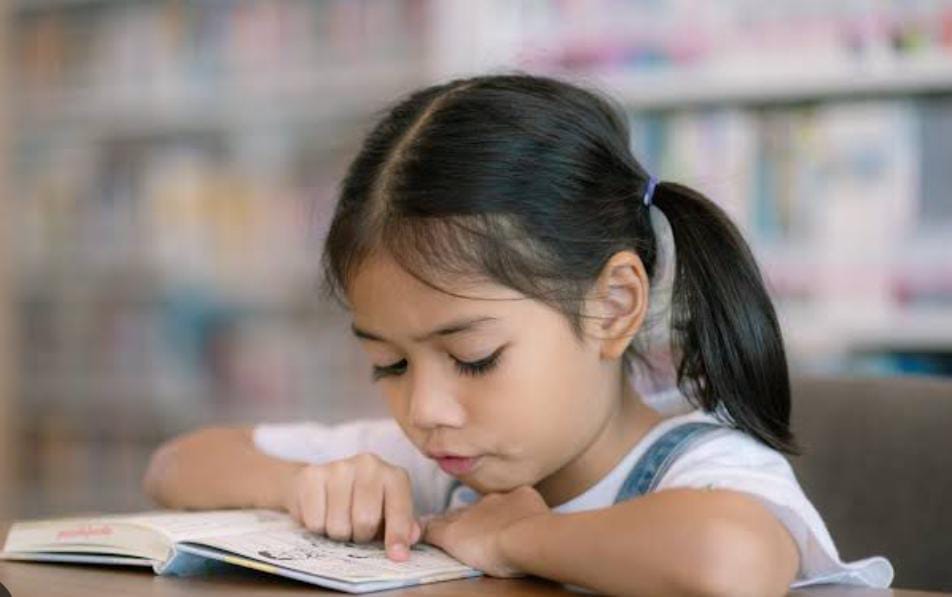
One of the best ways to understand how to improve vocabulary for kids is by making reading a daily habit. Books introduce children to new words naturally while helping them understand how those words are used in different situations.
Storybooks, fairy tales, picture books, educational books, and age-appropriate novels all expose children to rich language. Parents can pause while reading to explain unfamiliar words and encourage children to guess meanings based on the story.
Reading together also creates opportunities to discuss characters, settings, and events using new vocabulary. This repeated exposure helps children remember words more effectively.
Developing a reading habit is one of the simplest and most effective strategies for learning how to improve vocabulary for kids.
How to Improve Vocabulary for Kids Through Everyday Conversations
Regular conversations are another powerful way to learn how to improve vocabulary for kids. Children naturally learn language by listening to the people around them. Parents can introduce new words during daily routines without making learning feel like a lesson.
While cooking, shopping, traveling, or playing, adults can use descriptive words and explain their meanings naturally. Asking children open-ended questions encourages them to speak in complete sentences and practice using new vocabulary.
When children hear new words repeatedly in meaningful conversations, they remember them more easily and begin using them confidently.

How to Improve Vocabulary for Kids with Educational Games
Educational games make learning exciting and interactive. Understanding how to improve vocabulary for kids becomes much easier when children enjoy the learning process.
Word puzzles, spelling games, matching activities, memory games, crosswords, and word-building challenges encourage children to explore new vocabulary while having fun. These activities improve language development, spelling, and critical thinking simultaneously.
Role-playing games also help children practice new words in realistic situations. Pretending to be a teacher, doctor, shopkeeper, or explorer encourages creative communication while expanding vocabulary naturally.
Interactive learning keeps children motivated and helps them remember words for longer periods.

How to Improve Vocabulary for Kids by Encouraging Writing
Writing is another effective strategy for understanding how to improve vocabulary for kids. Encouraging children to write short stories, journal entries, letters, or simple paragraphs helps them practice using newly learned words.
Parents can introduce a “word of the day” and encourage children to use that word in different sentences. This activity strengthens both vocabulary and sentence formation while making language learning enjoyable.
Creative writing also improves imagination, grammar, and communication skills. As children become comfortable using a wider range of words, they gain confidence in expressing their ideas clearly.

How to Improve Vocabulary for Kids Using Visual Learning
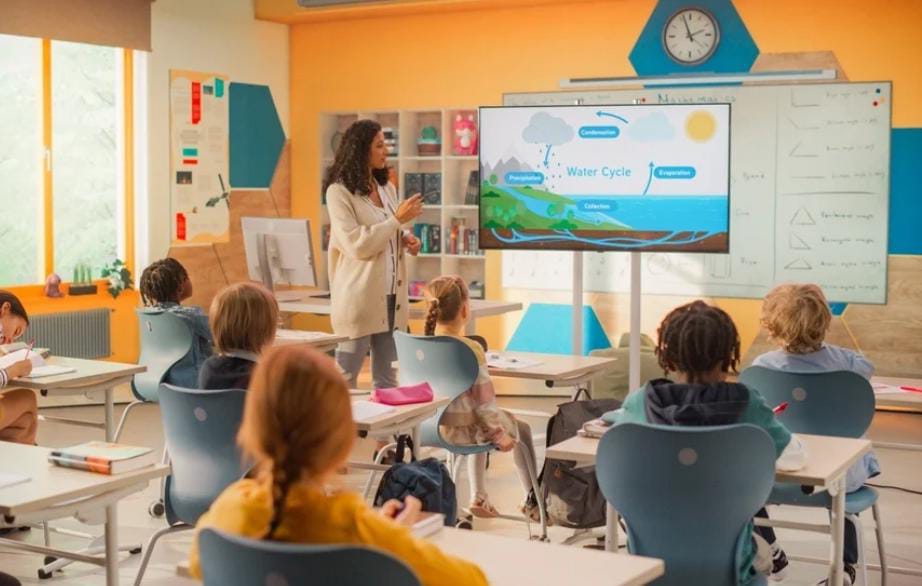
Many children learn best through pictures and visual activities. Visual learning is an excellent method for teaching how to improve vocabulary for kids because it connects words with images, making them easier to remember.
Flashcards, illustrated dictionaries, picture books, posters, and educational charts help children understand new vocabulary quickly. Associating words with colorful images improves memory and makes learning enjoyable.
Watching educational videos and discussing new words afterward also supports vocabulary development while improving listening and comprehension skills.
Common Mistakes to Avoid While Learning How to Improve Vocabulary for Kids
While understanding how to improve vocabulary for kids, parents should avoid expecting children to memorize long word lists without context. Children learn words more effectively when they understand their meanings through stories, conversations, and real-life experiences.
Correcting every speaking mistake immediately can also reduce confidence. Instead, gently model the correct usage and encourage children to continue communicating.
Another common mistake is focusing only on difficult words. Children first need a strong understanding of everyday vocabulary before moving toward advanced language.
Patience, encouragement, and regular exposure to meaningful language create the best learning environment.
Conclusion
Learning how to improve vocabulary for kids is one of the most valuable investments parents and teachers can make in a child’s future. A strong vocabulary improves reading comprehension, writing skills, communication, creativity, confidence, and academic performance.
Through daily reading, meaningful conversations, educational games, creative writing, and consistent practice, children can steadily expand their vocabulary while enjoying the learning process. The goal is not simply to teach more words but to help children understand, remember, and use those words confidently in everyday life.
When families understand how to improve vocabulary for kids, they give children the language skills needed to express themselves clearly, succeed in school, and become lifelong learners. Every new word learned opens the door to better communication, stronger thinking skills, and greater confidence in every stage of life.